
Enter Office
22 August 2026
An effective office design project is not about how much money you spend, but about avoiding these common mistakes.
In recent years, businesses have paid growing attention to office design. A modern office is not just a place to work — it also helps build brand image, improve the staff experience, and optimise operating performance.
In practice, though, many businesses invest a large budget yet still run into problems such as an inconvenient space, constant extra costs, or having to renovate again only a short time after moving in. The main cause usually is not how much or how little money was spent, but how the design was delivered from the start. An effective project needs to account for function, operations, aesthetics and long-term growth potential all at once.
Below are the 7 most common mistakes in office design that businesses should avoid to limit waste and optimise investment efficiency.
1. Focusing only on aesthetics and forgetting function
One of the most common mistakes in office design is over-focusing on looks while forgetting the real usage experience.
Many spaces look great in a 3D render but run into a string of problems once actually in use:
- Lack of storage space
- An impractical circulation flow
- A stuffy work area
- Unsuitable lighting
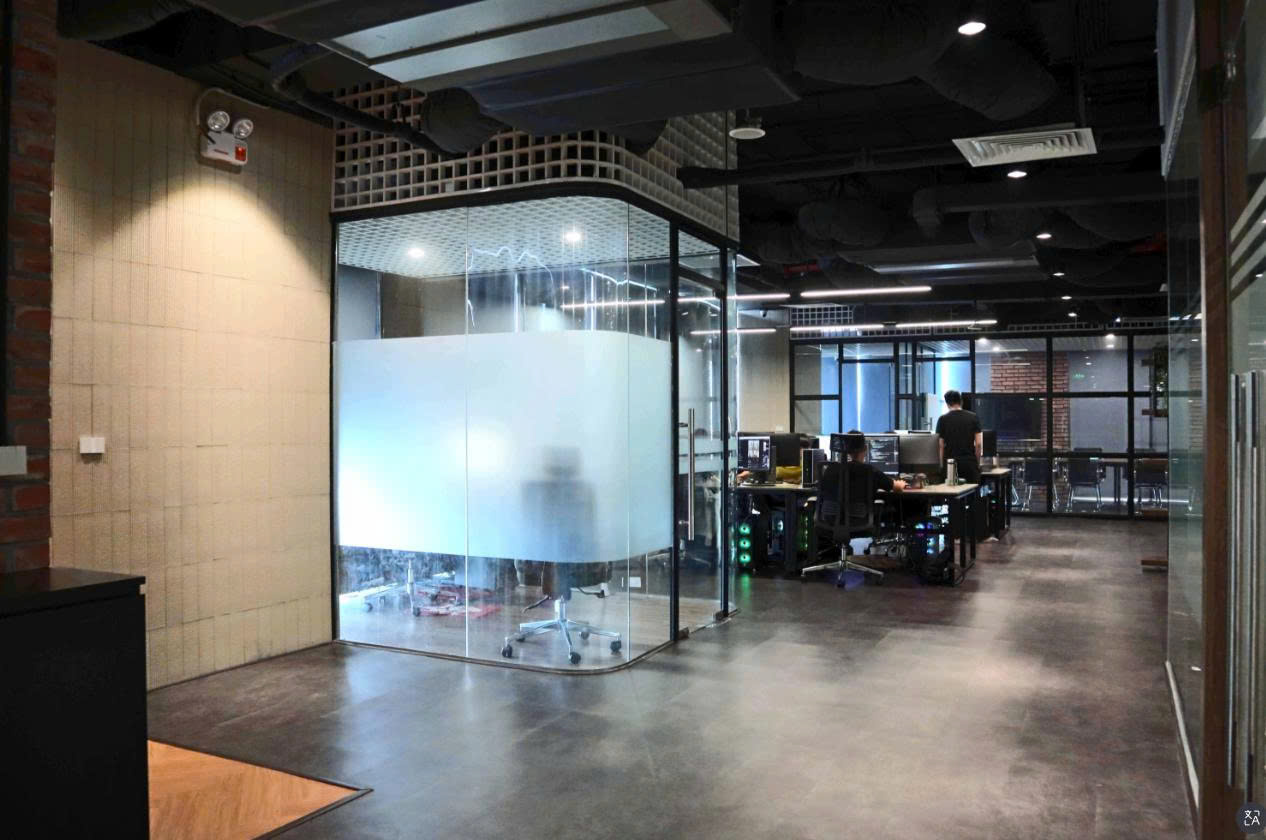
In practice, an effective office needs to balance function and aesthetics. A beautiful but hard-to-use space will quickly lower the staff experience and generate a lot of adjustment cost.
2. Not accounting for headcount growth
Many businesses design only for their current needs without planning for future growth. This leads to running short of seats after a short time, having to renovate the space again, and extra construction costs.
An experienced partner will always plan a flexible layout so a business can expand easily without disrupting the overall space.
3. Choosing materials by price instead of usage efficiency
Optimising cost is necessary, but choosing materials based on price alone usually costs a business more in the long run. Common problems include:
- Furniture wearing out quickly
- Surfaces peeling or warping
- Difficult maintenance and cleaning
- Reduced aesthetics after a short time
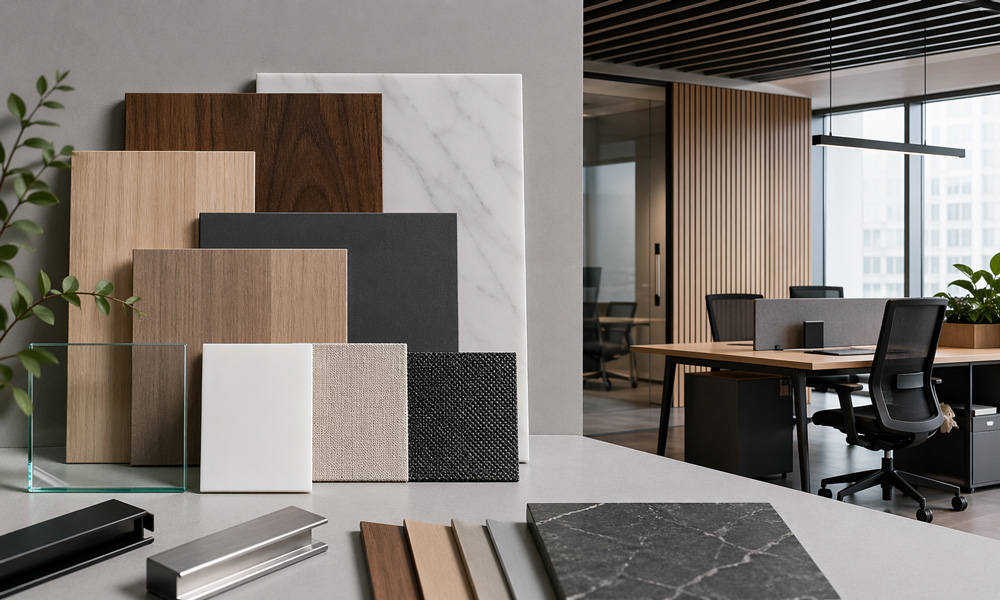
Materials need to be chosen based on durability, usability and how well they align with the overall style.
4. A lack of alignment between design and construction
Hiring separate design and construction contractors sometimes helps reduce upfront cost, but it easily creates a lot of problems during real-world delivery. Common issues include:
- Construction that does not follow the drawings
- Unplanned material changes
- Extra items being added
- A delayed handover
That is why many businesses today prefer a full-service office interior design and construction solution to ensure alignment and better quality control — the entire process, from design through material take-off to construction, is aligned from the very start to minimise discrepancies and unnecessary extra costs.
5. Not optimising lighting and ventilation
Light and air are two factors that directly affect the working experience but are often overlooked during design. A space that lacks natural light or has poor air circulation will reduce focus, cause fatigue, and hurt staff performance.
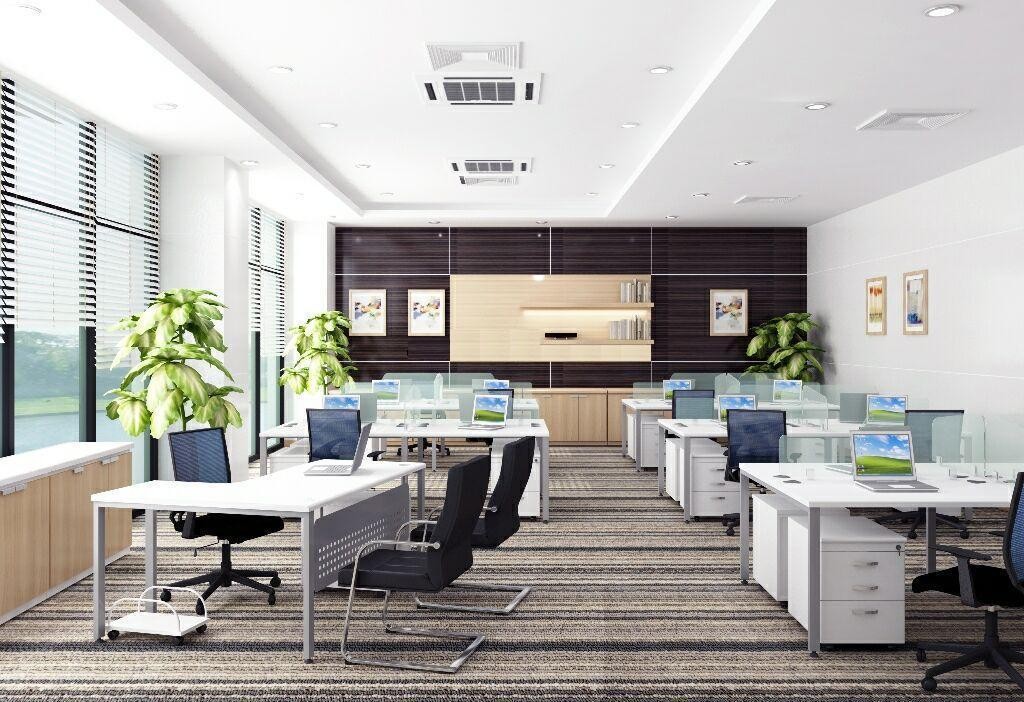
Current office design trends prioritise making the most of natural light, planning lighting systems scientifically, and optimising ventilation — a factor that plays an important role in the long-term quality of the working environment.
6. Not paying attention to brand elements in the office
An office is not just a place to work — it is also a space that expresses a company's culture and image. Many companies invest heavily in marketing yet end up with an office that lacks any real highlight and fails to leave an impression with clients or partners.
A professional office design project needs to express brand colours, company style, a consistent spatial experience and clear identity — a factor that helps raise professionalism and brand value.
7. Choosing a design partner without real-world experience
A beautiful design is not always feasible once construction begins. If the delivery partner lacks real-world experience, a business can easily run into unplanned extra costs, a longer construction time, and a finish quality that falls short of expectations.
When choosing an office design partner, a business should evaluate their real delivery capability, working process, completed projects, and their ability to control schedule and budget — a factor that directly affects the final quality of the project.
Enter Office – An office design solution optimised for function & cost
Enter Office is a company specialising in full-service office design and interior construction, focused on optimising function, aesthetics and the real-world usage experience. With experience delivering many modern office projects, Enter Office aims for:
- Design suited to the business's operating model
- Optimised investment budget
- Alignment between design and construction
- Tight quality & schedule control
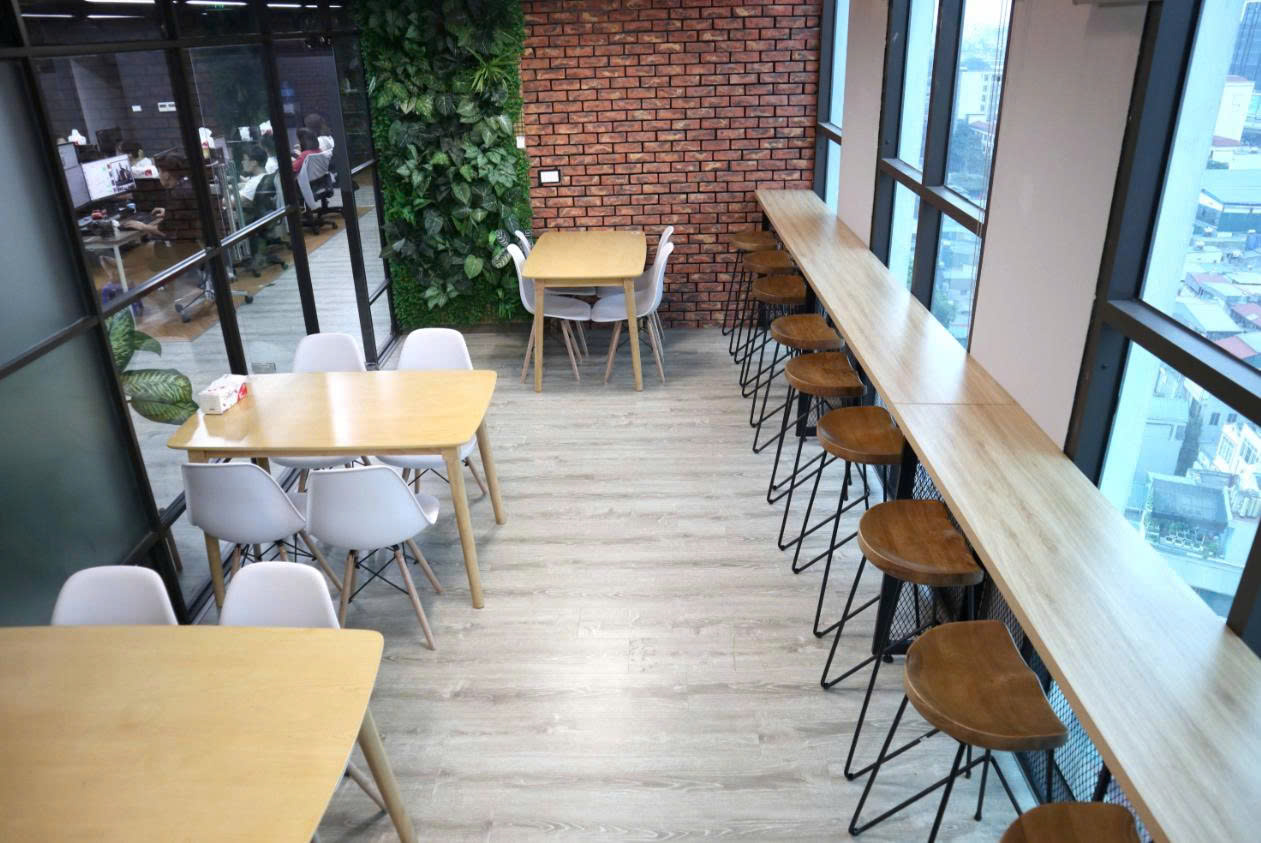
Beyond creating a beautiful space, Enter Office aims for effective, sustainable working environments. See some of our office design and construction projects on the Portfolio page.
Conclusion
An effective office design project is not about how much money you spend, but about how well you optimise the space for real usage needs.
Avoiding the mistakes above will help a business save significant cost, limit extra costs during construction, improve the staff experience, and build a more professional image. If you need advice on professional office design, contact Enter Office for a solution suited to your business.